If you’ve ever admired a lush, thriving garden and wondered how to achieve similar results, composting might just be your secret ingredient. You might recognize composting as a buzzword in sustainable gardening; It can transform your garden and significantly reduce waste. In this guide, we’ll explore what compost is, how to use it in your garden, how you can start composting at home, and our high-quality compost options at G&L Bark in Spanaway, WA.
Table of Contents
What is Compost?
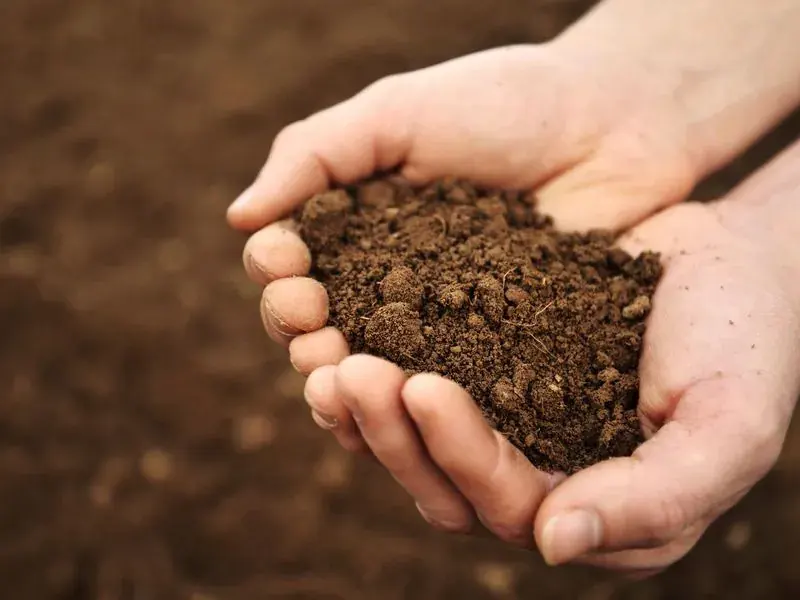
Compost is organic matter that has decomposed into a nutrient-rich substance that can be returned to the soil. It’s the product of the full cycle of organic matter: soil produces plants, and when they die, the plants break down and feed the soil to start new growth.
During composting, microorganisms break down plant and food waste into a material that resembles rich, dark soil. This transformation occurs in a controlled environment, often in a compost bin or pile, where moisture, air, and microorganisms work together to accelerate decomposition.
Using Compost In Your Garden
Incorporating compost into your garden can have a transformative effect on soil health and plant vitality. By simply mixing compost into your soil, you’ll gain multiple benefits.
- Soil Enrichment: Compost enriches the soil by adding essential nutrients that might be missing. It improves soil structure, making it easier for roots to penetrate and access nutrients and water. This results in stronger, healthier plants.
- Improving Drainage: For clay-heavy soils, compost acts as a natural conditioner, improving soil aeration and drainage. It helps break up dense clay, allowing water to flow more freely and reducing the risk of waterlogging.
- Moisture Retention: In sandy soils, compost helps retain moisture, reducing the need for frequent watering. This is particularly beneficial during dry periods, as compost can help keep the soil consistently moist.
- Pest Control: Compost often helps reduce pests. Some types of compost naturally repel certain pests or attract insects like ladybugs that eat pests. Healthy soil leads to healthy plants.
To use compost in your garden, mix it into your soil before planting, or apply it as a top dressing around existing plants. You can also incorporate it into planting holes for new plants or use it in container gardening to boost nutrients for potted plants.
How to Compost at Home
You can buy quality compost, like Cedar Grove and mushroom compost from G&L Bark, or you can make your own. However, composting takes time and typically produces small amounts, so you may want to purchase a supply to get started for large gardens.
Starting a compost pile at home is easier than you might think, and uses only materials you already have on hand: food and yard waste.
- Choose a Location: Select a well-drained spot in your yard or garden. Compost needs a balance of moisture and air, so pick a location that allows for good airflow and is sheltered from heavy rain.
- Gather Materials: You’ll need a mix of “greens” and “browns.” Greens are nitrogen-rich materials like fruit and vegetable scraps, coffee grounds, and grass clippings. Browns are carbon-rich materials such as dried leaves, straw, and cardboard. Aim for a ratio of about one part green to three parts brown.
- Build Your Pile: Start with a layer of coarse materials like small branches or wood chips at the bottom to aid drainage. Then add your mixture of green and brown materials, keeping several inches of dry browns on top of food scraps. Add a bit of water to keep the pile moist but not soggy.
- Turn the Pile: Every few weeks, use a pitchfork or shovel to turn the compost. This aerates the pile and speeds up decomposition. Turning also helps distribute moisture and prevent unpleasant odors.
- Monitor and Maintain: Keep an eye on your compost pile. It should feel like a damp sponge. If it’s too dry, add water; if it’s too wet, add more browns to balance it. A well-maintained compost pile takes a few months to turn into finished compost.
Benefits of Composting
Composting offers a wealth of benefits, making it an excellent practice for both your garden and the environment. Here are just a few of the advantages.
Reduces Waste and Helps the Environment
Composting diverts organic waste from landfills, where it would otherwise contribute to methane emissions, a potent greenhouse gas. By composting, you’re reducing your carbon footprint and helping the environment.
Composting is a simple yet powerful way to practice sustainability in your daily life. It completes the cycle of organic materials and turns daily waste into a useful resource.
Enhances Soil and Garden Health
Compost enriches the soil with vital nutrients and improves its structure, leading to healthier plants and a more productive garden. Whether you’re growing vegetables or flowers, they’ll thrive on compost.
Saves Money
Making compost out of food and yard waste reduces or eliminates the need for chemical fertilizers and pesticides. It also saves money from landfills, since approximately 30% of garbage is yard and food waste. By instead reusing that waste, we can reduce the waste in landfills and lower its costs and its negative impact on the environment.
Top-Quality Compost for Your Garden from G&L Bark & Supply
Not everyone has the means to make their own compost. Or, you may not be able to make enough of it for your garden. G&L Bark & Supply has you covered. We offer Cedar Grove Compost and mushroom compost, perfect for enriching the soil, repelling pests, and growing healthier plants.You, your garden, and your planet can all benefit from composting. Visit G&L Bark to get premium compost and learn more about creating a vibrant garden!