Table of Contents
Composting and the Edible Garden!
As the summer harvest wraps up and cool temperatures return to Western Washington, fall becomes a powerful opportunity to prepare your edible garden for success in the seasons ahead. At G&L Bark Supply, we believe composting in autumn sets the foundation for a thriving spring. In this Q&A-style guide, we answer some of the most common questions local gardeners ask about creating and using compost especially as they transition their beds for fall.
Q: Why should I focus on composting in the fall?
A: Fall offers the perfect combination of materials and time. With leaves falling, plants dying back, and leftover garden debris piling up, you have easy access to the essential ingredients needed to build rich, organic compost. Cooler weather also slows decomposition just enough to let microbes do their work steadily, creating nutrient-rich compost by early spring.
Q: What’s the ideal compost mix for edible gardens?
A: A good compost mix has a balance of carbon-rich “browns” and nitrogen-rich “greens.” For fall, that might look like this:
- Browns: Dry leaves, straw, shredded bark, sawdust
- Greens: Vegetable scraps, grass clippings, fresh garden trimmings
For vegetable gardens, we recommend adding a small amount of manure compost from G&L Bark Supply to accelerate microbial activity and increase nitrogen content.
Q: Can I compost kitchen scraps in the fall?
A: Yes! In fact, fall is a great time to start a compost pile that includes kitchen waste like coffee grounds, fruit peels, and veggie cuttings. Just avoid meat, dairy, or oily foods, which can attract pests.
Q: What’s manure compost, and is it safe for vegetable beds?
A: Manure compost is decomposed livestock manure that has been aged and processed to reduce pathogens and weed seeds. At G&L Bark Supply, our manure compost is tested and safe for use in edible gardens. It provides slow-release nutrients, especially nitrogen, which is vital for leafy greens and early spring crops.
Q: How do I layer my compost pile correctly?
A: A classic method is the lasagna-style approach:
- Start with a 3–4″ base of browns (leaves, straw)
- Add a 2–3″ layer of greens (veggie scraps, grass clippings)
- Add a handful of soil or finished compost as an activator
- Repeat the layers, keeping the pile slightly moist
Turning the pile every 1–2 weeks helps oxygenate it and speeds up the breakdown process.
Q: I don’t have a compost bin—can I still compost?
A: Absolutely. You can:
- Create a compost heap in a shaded corner of your yard
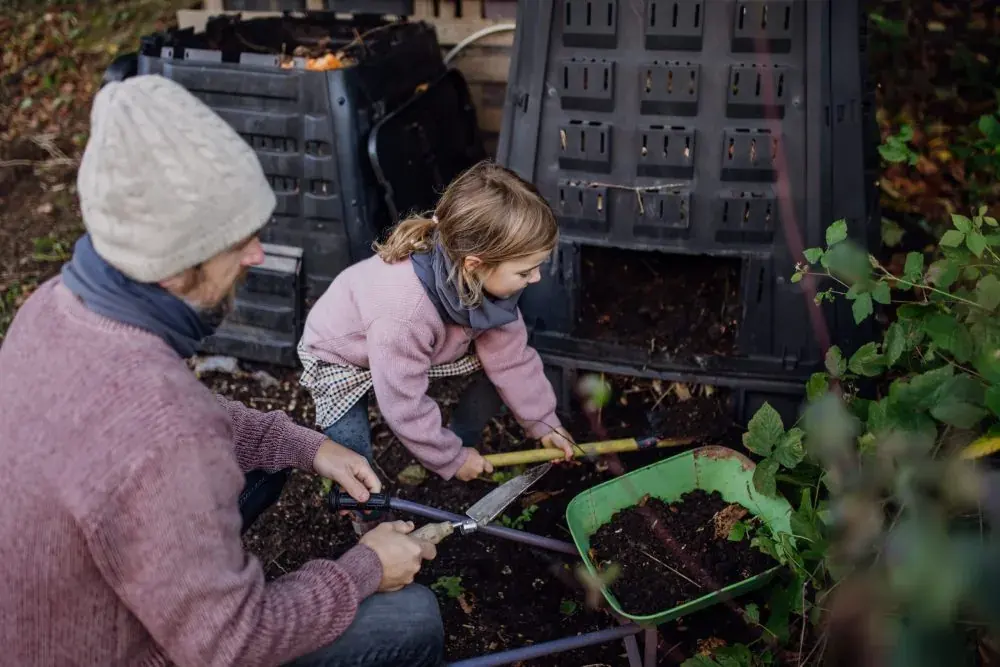
- Use compost tumblers for smaller spaces
- Try trench composting (burying scraps directly in your beds for decomposition over winter)
Q: Can I add compost directly to my garden beds in the fall?
A: Yes, and it’s one of the best fall gardening practices! Apply 1–2 inches of compost to your vegetable beds, then:
- Let it sit over winter as a top dressing
- Gently dig it in before planting spring crops
- Top with mulch to protect from rain erosion
This approach enriches the soil, improves drainage, and introduces beneficial microbes.
Q: How does fall composting tie into crop rotation?
A: When preparing your garden for the next growing cycle, compost adds the nutrients that specific crops need after others have depleted them. For example:
- After tomatoes or squash (heavy feeders), compost replenishes soil nutrients before planting leafy greens or legumes
- Compost helps rebalance pH and organic content, essential for rotating between root, fruit, and leaf crops
Q: Are there any signs that my compost isn’t working?
A: Yes, and they’re easy to fix:
- Smells bad? Too many greens, add more browns.
- Not breaking down? Pile is too dry or compacted add water and turn it.
- Attracting pests? Avoid food scraps that include oil or dairy, and make sure your pile is properly covered.
Q: Why choose G&L Bark Supply for compost materials?
A: We carry high-quality manure compost, organic compost blends, and bark fines ideal for both homemade mixes and direct soil application. Our materials are:
- Safe for food gardens
- Available in bulk or bagged
- Sourced and screened locally
Bonus Fall Tip: Mix our bark compost blend with topsoil at a 1:1 ratio for new garden beds, raised beds, or to refresh tired soil. It’s an easy way to supercharge fall garden prep.
Q: How can I get compost delivered this fall?
A: G&L Bark Supply offers convenient delivery options throughout Pierce County. Whether you’re preparing a large home garden or building new raised beds, we’ll help you calculate how much compost you need and bring it straight to your door.
Get your garden off to a strong start before winter. Visit G&L Bark Supply in Spanaway or call today to order manure compost, bark blend, or our full range of edible garden materials. Let’s turn your soil into a superfood source—one scoop at a time!