
Low-Maintenance Gardening for Beginners
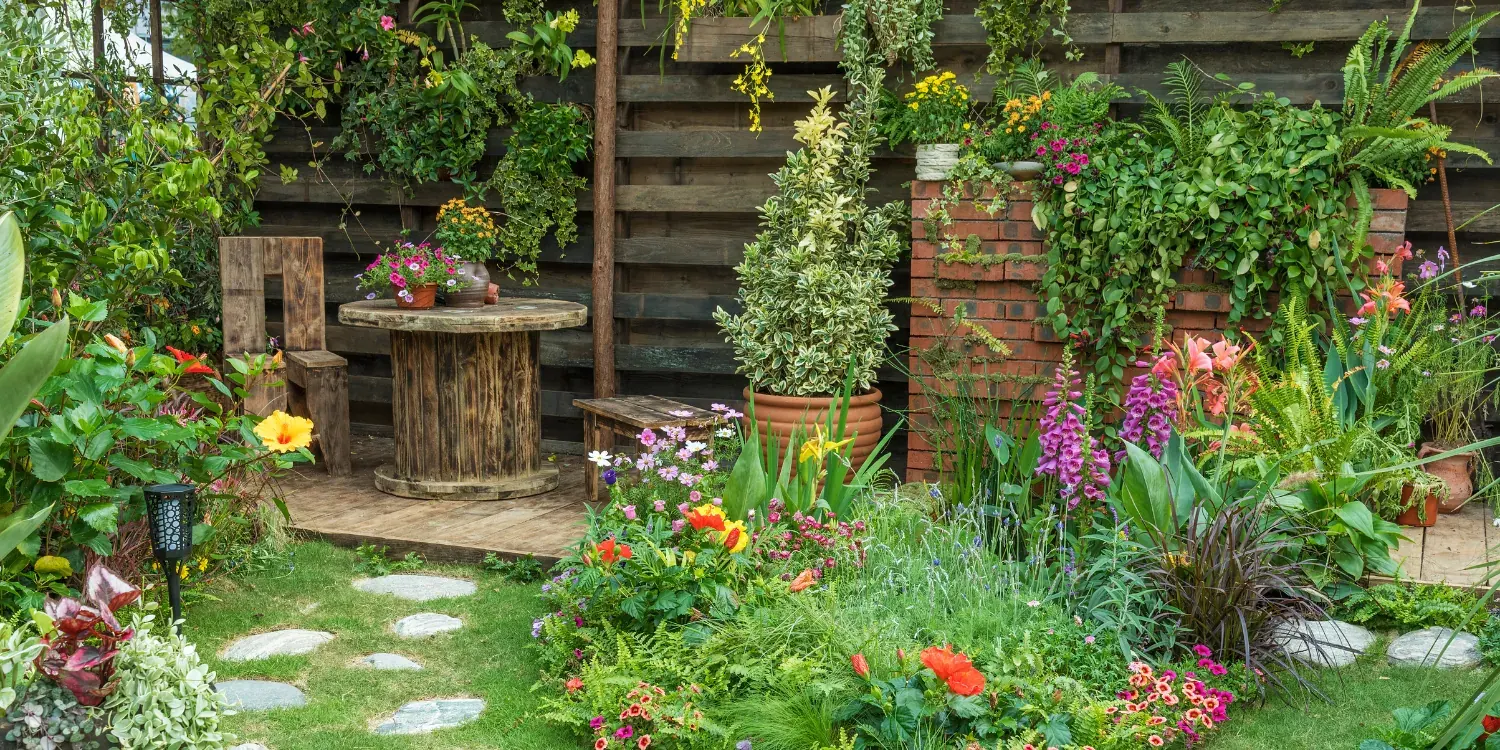
A low-maintenance garden can be your personal escape—an ideal space to unwind after a long day or enjoy warm Spring and Summer afternoons. But for many people, the idea of starting a garden can be overwhelming. Thoughts like “I don’t have a green thumb” or “I’ll just kill everything I plant” can prevent aspiring gardeners from ever digging into the soil. Fortunately, gardening doesn’t have to be intimidating or high-maintenance. With the right tools, knowledge, and a smart approach, you can enjoy a vibrant, easy-care garden all year round.
This beginner-friendly guide will help you understand how to build and maintain a stunning outdoor space using gardening tips. Whether you’re starting from scratch or looking to refresh your landscape, these practical steps will put you on the path to success.
Table of Contents
Low-Maintenance Garden Tips
1. Start With the Right Plants for Your Environment
The first step toward a successful low-maintenance garden is choosing plants that are well-suited to your local climate, soil, and sunlight conditions. Not all plants thrive in every setting, so understanding your environment is essential. Research native plants and low-maintenance options like succulents, ornamental grasses, or flowering shrubs. These typically require less water and care than exotic varieties.
2. Understand Your Soil and Sunlight Conditions
Before you plant anything, take time to assess your soil and the amount of sunlight your garden receives. Some plants thrive in full sun, while others prefer shade or partial shade. Likewise, well-drained soil is ideal for most flowers and vegetables, but some species are more tolerant of clay or sandy soils.
You can easily test your soil using DIY kits available at garden centers or consult a local expert. Knowing whether your soil is acidic, alkaline, or neutral will help you choose the right plants and fertilizers.
3. Try Hardy Alternatives to High-Maintenance Plants
Love the idea of lush blooms but not the work that comes with them? You’re not alone. Many beginner gardeners want colorful gardens but don’t have the time or experience to care for finicky flowers. Fortunately, there are low-maintenance alternatives that still offer beauty and color.
Consider planting flowering cacti, drought-resistant perennials, or ornamental trees. These plants often require less water, pruning, and pest control than traditional flower beds, yet still provide visual interest throughout the year.
4. Start Small and Build Confidence
One of the best tips for new gardeners is to start small. Instead of overhauling your entire yard, begin with one or two key areas you feel confident maintaining. Whether it’s a flower bed near your porch, a set of container plants on the patio, or a corner herb garden, starting small allows you to learn and grow—without the pressure of managing a large space.
As your knowledge and confidence expand, you can gradually add more plants or explore different landscaping techniques.
5. Use Tools Designed for Beginners
Today’s market is full of gardening tools designed for ease of use, especially for people who aren’t seasoned pros. From self-watering planters and ergonomic tools to soil testers and app-based garden planners, there are countless ways to make gardening simpler.
Looking for a reliable place to get all your gardening essentials? G & L Bark Supply is a trusted provider of high-quality garden materials including soil blends, bark mulch, decorative rock, compost, and more. Whether you’re sprucing up a small flower bed or laying the foundation for a larger landscaping project, G & L Bark Supply has the products and expertise to help your garden thrive.
6. Consider Professional Gardening Advice
If you know what you want your garden to look like but aren’t sure how to achieve it—or keep it alive—don’t be afraid to hire a gardening professional. A landscaping expert can help assess your space, recommend the right plants, and offer ongoing maintenance tips to keep your garden thriving.
Even if you prefer to buy your own plants and tools, consulting with an expert can save you time and frustration while ensuring long-term success.
7. Stay Consistent with Basic Maintenance
Even the most hands-off gardens need some level of care to look their best. That doesn’t mean spending hours each week outside. With a few minutes of regular watering, pruning, and weeding, you’ll keep your garden healthy and attractive.
You might even discover that gardening becomes a relaxing habit, not a chore. Watching your plants grow and bloom can be an incredibly rewarding experience—and with a low-maintenance gardening approach, it doesn’t have to be stressful.
Conclusion: Build a Garden That Grows With You
Gardening doesn’t have to be complicated or time-consuming. By choosing the right plants, understanding your environment, starting small, and seeking advice when needed, you can create a beautiful, low-maintenance garden that reflects your personality and fits your lifestyle.
And remember—having the right supplies makes all the difference. Visit G & L Bark Supply for everything you need to start and maintain a stunning, easy-care garden. Whether you’re a beginner or simply want to simplify your yard care routine, G & L has you covered with quality products and friendly service.