
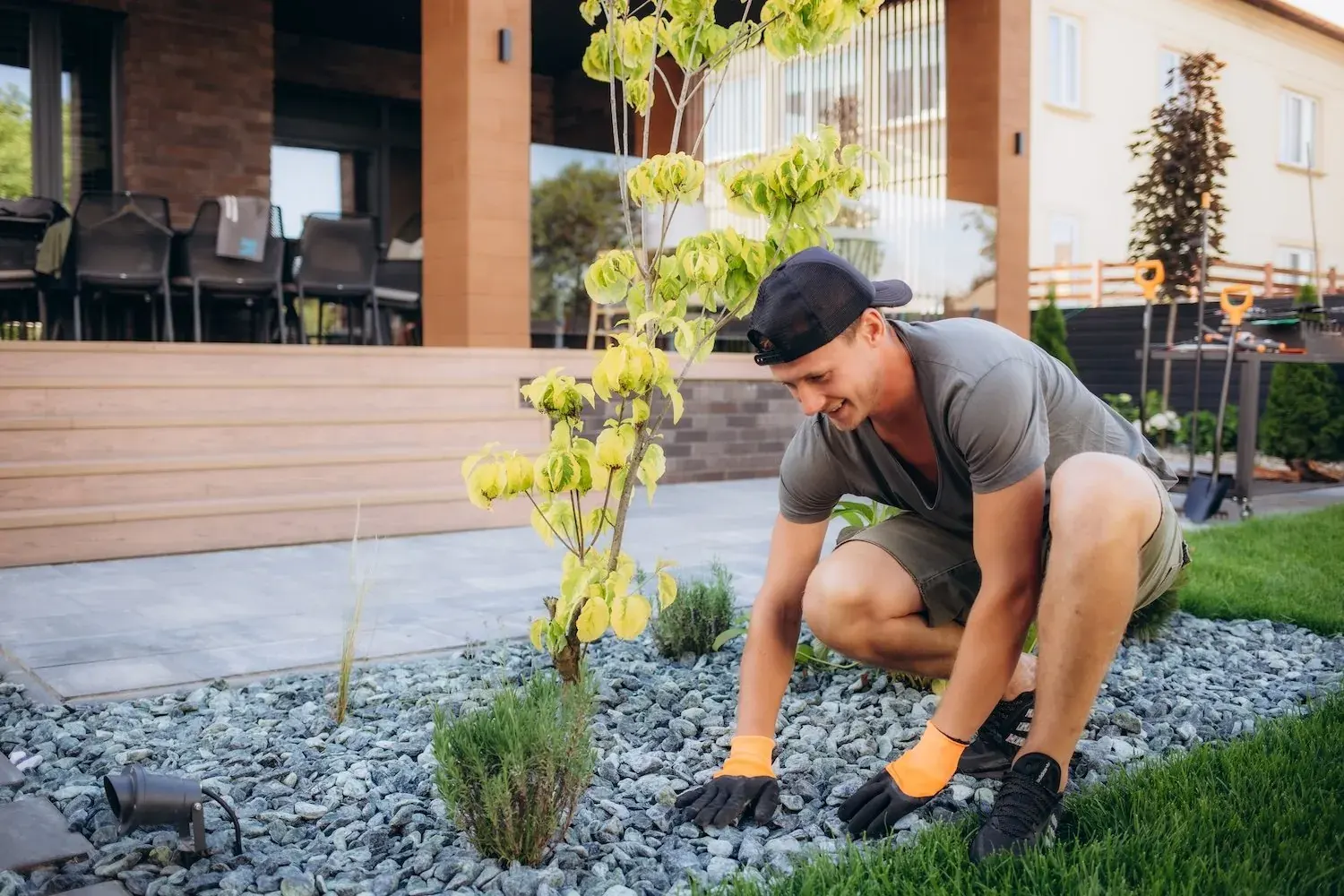
When people start thinking about landscaping projects, they usually picture plants, grass, or flower beds. But if you look closely at many well-designed yards in the Pacific Northwest, you’ll notice something else doing a lot of the work: gravel and stone. Landscaping with gravel is a good idea!
Rock materials are incredibly practical in a region known for rain, changing temperatures, and heavy soil. They help with drainage, reduce maintenance, and can look surprisingly beautiful when used well.
That’s why so many homeowners and contractors in Pierce County rely on suppliers like G & L Bark Supply, which carries everything from clean crushed gravel and gravel with binder to drain rock, river rock, pea gravel, and other landscape stone products. With the right materials, you can solve practical problems in your yard while also improving the overall look of the space.
Let’s walk through some ideas for how these different types of gravel can be used around your property.
Table of Contents
Clean Crushed Rock: The Reliable Workhorse
Clean crushed rock might not sound exciting at first, but it’s one of the most useful materials in landscaping with gravel. The rock is crushed into smaller angular pieces and then screened so the dust and fine particles are removed.
Because the stones have sharp edges, they naturally lock together when compacted. At the same time, the gaps between the rocks allow water to drain through.
So what does that mean for homeowners?
It means clean crushed rock is perfect for projects where you want both stability and drainage.
For example, it works very well for gravel driveways. The material creates a solid surface while still allowing rainwater to pass through instead of pooling.
It’s also commonly used as a base layer under patios or pavers. If you’ve ever wondered why professional patios stay level for years, it’s usually because there’s a properly compacted gravel base underneath.
Clean crushed rock is also useful for utility paths around the house or garden. Maybe you’ve got a side yard that turns into mud every winter. A simple crushed rock path can instantly make that area usable again.
Have you ever stepped outside after a week of heavy rain and wished you had a dry path across the yard? That’s exactly the kind of problem this material solves. Landscaping with gravel takes the stress out.
Crushed Rock with Binder: Great for Driveways and Roads
Another popular option is crushed rock with binder, sometimes called “minus” gravel.
Unlike clean crushed rock, this material still contains the small particles and dust created during the crushing process. Those fine particles actually serve a purpose: they fill in the gaps between the stones and help the gravel compact tightly.
The result is a surface that becomes very firm once it’s packed down.
This makes crushed rock with binder a great choice for driveways and parking areas. When properly installed and compacted, it forms a durable surface that holds up well under vehicle traffic.
It’s also commonly used on private gravel roads, where stability is important for reducing ruts and potholes.
Many homeowners choose landscaping with gravel for walkways or shed foundations, because it creates a stable surface that doesn’t shift as much as loose gravel.
If you’re planning a gravel driveway, this is often the material people start with because it creates a smooth, compact base.
Drain Rock: Your Yard’s Secret Weapon Against Water
If you live in the Pacific Northwest, you already know how important drainage can be.
A yard that holds water can lead to muddy areas, damaged landscaping, or even problems near the foundation of your home. That’s where drain rock and landscaping with gravel comes into play.
Drain rock is typically a larger, washed stone with very little fine material. Because of the gaps between the rocks, water can move through it easily.
This makes it ideal for projects designed to move water away from problem areas.
One common example is a French drain, where a perforated pipe is surrounded by drain rock to carry water away from a yard or foundation.
Drain rock is also used around foundations, helping prevent water buildup near the structure.
Some homeowners even use it to create dry creek beds—landscape features that look decorative while also guiding rainwater through the yard.
If you’ve ever looked out at your lawn during a heavy storm and seen puddles forming, you might be surprised how much of a difference proper drainage rock can make.
River Rock: Natural and Decorative
River rock brings a completely different feel to landscaping with gravel.
Instead of the rough edges you get with crushed rock, river rock stones are smooth and rounded. That’s because they’ve been shaped naturally by moving water over time.
These stones are often used when appearance is just as important as function.
One of the most popular uses is in decorative garden beds. River rock can replace bark or mulch in certain areas and create a clean, natural look around plants.
They’re also perfect for dry riverbed features, which can add a beautiful focal point to your yard while helping manage runoff during heavy rain.
Many people use river rock around stepping stones or pathways, where the smooth stones create a softer, more organic appearance.
And of course, river rock is commonly used in water features or pond landscaping, where the natural shapes fit perfectly into the design.
Have you ever walked through a park or botanical garden and noticed those smooth stones lining the paths or streams? That’s the kind of peaceful, natural look river rock can bring to a backyard when you are landscaping with gravel.
Pea Gravel: Small Stone with Big Possibilities
Pea gravel is another favorite for landscaping with gravel projects.
As the name suggests, the stones are about the size of peas. They’re rounded, smooth, and easy to walk on, which makes them ideal for many outdoor spaces.
One of the most common uses is garden pathways. A pea gravel path winding through plants or flower beds can instantly give a yard a relaxed, natural feel.
Pea gravel is also popular for patio areas, especially for homeowners looking for a budget-friendly alternative to concrete or stone pavers.
Another great use is dog runs or pet areas, since the stones drain well and are comfortable for pets.
You’ll also see pea gravel used in playground areas, where the smooth stones provide a softer surface than many other rock types.
And if you’ve ever seen a cozy backyard fire pit area surrounded by gravel, there’s a good chance it was pea gravel creating that relaxed outdoor atmosphere.
Mixing Rock Types for a Better Landscaping with Gravel
One of the smartest ways to do landscaping with gravel is by combining different materials.
For example, a pathway might use compacted crushed rock underneath with a thin layer of pea gravel on top for appearance.
A drainage feature might have drain rock below and decorative river rock above.
And many gravel driveways look more finished when bordered with a row of larger decorative stones.
By mixing textures and stone sizes, your yard can look more intentional and professionally designed.
A Low-Maintenance Landscaping with Gravel Option
Another reason many homeowners choose rock landscaping is simple: it’s easier to maintain.
Compared to traditional lawns or plant-heavy landscaping, gravel areas usually require:
- Less watering
- Less mowing
- Less fertilizing
- Fewer weeds when installed correctly
In a region with long rainy seasons, having areas of your yard that stay clean and functional no matter the weather can be a huge benefit.
Finding the Right Materials
Every landscaping with gravel project is a little different. The right rock for a driveway might not be the best choice for a garden path or drainage system.
That’s why working with a knowledgeable supplier can make a big difference.
G & L Bark Supply offers a wide selection of gravel, crushed rock, river rock, pea gravel, drain rock, and other landscaping materials for homeowners and contractors throughout Pierce County. Their team can help you figure out which product will work best for your specific project.
So the next time you’re thinking about improving your yard, it might be worth asking yourself a few questions.
- Could a gravel pathway solve that muddy corner of the yard?
- Would a river rock feature add a little visual interest to your landscaping with gravel?
- Or could a simple crushed rock driveway make your property easier to maintain?
Sometimes the most practical materials are also the ones that make your outdoor space look the best. And with the right gravel and stone, the possibilities are surprisingly wide open.