Driveways play a crucial role in providing access to homes, farms, and businesses. Whether paved or gravel, driveways experience constant wear and tear from the elements, heavy traffic, and everyday use. Over time, issues such as potholes, muddy patches, and uneven surfaces can arise, which not only affect the aesthetic appeal of your driveway but can also cause inconvenience and safety hazards. However, with proper maintenance, many of these issues can be easily addressed. Let’s dive into how to manage common driveway problems like potholes, muddy areas, gravel maintenance, and more.
Table of Contents
Gravel Maintenance: Keeping Your Driveway Smooth and Functional
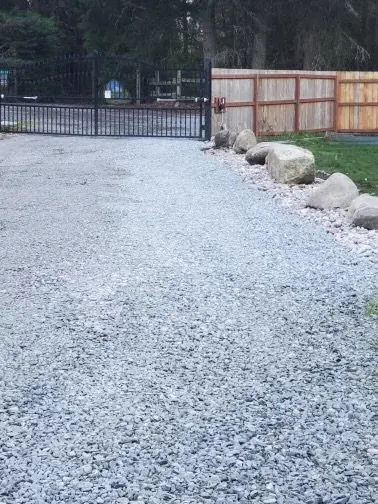
Gravel driveways are a popular choice due to their affordability, ease of installation, and versatility. However, gravel can shift, become uneven, or compact over time, leading to rough surfaces. Proper maintenance is key to preserving a functional and attractive gravel driveway. G & L can help you calculate how much gravel you will need for your project here.
How to Maintain Gravel Driveways:
- Regrading: Over time, gravel can wash away or get displaced. Regrading the surface periodically will help maintain a smooth and even surface. This involves using a tractor or a grading machine to level the gravel and prevent ruts from forming.
- Adding Fresh Gravel: If the gravel is thinning or losing its effectiveness, adding fresh gravel can restore its appearance and function. Opt for angular gravel that locks into place and reduces shifting.
Potholes: Identifying, Filling, and Preventing Future Damage
Potholes are one of the most common problems on gravel driveways. They form when water infiltrates the gravel and softens the underlying soil, creating depressions that expand with repeated traffic.
How to Repair Potholes:
- Clear the Area: Start by removing any loose debris and widening the pothole to ensure proper filling.
- Fill with Gravel: Use high-quality gravel that matches the existing material. Pack the gravel tightly and leave it slightly higher than the surrounding surface to account for settling.
- Compact the Gravel: Use a mechanical tamper or roller to compact the gravel and ensure it stays in place.
To prevent potholes from forming, ensure that your driveway has proper drainage to avoid water accumulation, and regularly inspect for early signs of erosion.
Drain Rock: Essential for Proper Drainage
Drain rock, also known as drainage gravel, is a key component of a well-functioning driveway. It helps improve water flow, preventing pooling and erosion that can contribute to potholes and muddy areas. Drain rock is typically a mixture of large, angular stones that create air gaps, allowing water to flow through and away from the surface.
How to Use Drain Rock:
- Proper Placement: Drain rock should be placed in areas prone to pooling or heavy water runoff. The rock can be layered beneath your top gravel for enhanced drainage.
- Check for Clogs: Periodically check the drainage areas of your driveway to ensure the rocks remain clear and effective. Clogged drainage can lead to water buildup, causing further damage.
Hogfuel: Managing Muddy Areas and Erosion Control
Hogfuel, or chipped wood mulch, can be an effective material for controlling muddy areas, particularly in the more sensitive spots of a gravel driveway, such as where vehicles regularly stop or in areas with poor drainage.
- Mud Management: Hogfuel can be spread over muddy or low-lying areas of your driveway to create a stable surface. This helps to improve traction, reduce mud splatter, and minimize erosion.
- Aesthetic and Functional: Hogfuel not only provides practical benefits by managing mud but also adds an organic, rustic appearance to your driveway.
Keep in mind that hogfuel is best used in areas that are not subject to heavy vehicular traffic, as it can break down over time and require replenishment.
Dealing with Muddy Areas: Tips for Preventing Water Damage
Mud is a common challenge for gravel driveways, especially in wet or rainy climates. When moisture accumulates and seeps into the gravel, it can create a sticky, slippery surface that is difficult to drive on.
How to Manage Muddy Areas:
- Improve Drainage: The best way to combat muddy patches is to ensure proper drainage. Install drainage pipes, culverts, or swales to redirect water away from your driveway.
- Regrade the Surface: Ensure that the driveway has a slight slope to direct water flow off the driveway, preventing it from pooling in certain areas.
- Use Geotextile Fabric: Installing a geotextile fabric beneath your gravel can help stabilize the surface, reduce mud infiltration, and prevent the gravel from sinking into the soil beneath.
Routine Inspections and Timely Repairs
The key to keeping your driveway in optimal condition is regular inspection and prompt repairs. After heavy rain, snow, or seasonal changes, make sure to check for damage such as eroded areas, puddles, or potholes. Addressing small issues before they worsen can save you time and money in the long run.
Conclusion
Maintaining your gravel driveway, preventing potholes, and addressing muddy areas, drain rock, and hogfuel will ensure the longevity and usability of your driveway. With simple techniques like regrading, filling potholes, improving drainage, and using effective materials like drain rock and hogfuel, you can keep your driveway safe, functional, and visually appealing year-round. Regular maintenance is key to preventing larger, more costly repairs and ensuring that your driveway serves you well for years to come.
At G&L Bark Supply in Pierce County, we have all the supplies you will need to keep your gravel driveway in prime condition. Contact us today!