Table of Contents
Best Mulch & Bark for NW Summers
Why Mulch Matters in a Dry PNW Summer
As summer temperatures climb and rainfall slows in Western Washington, maintaining soil moisture becomes critical for gardeners and homeowners. One of the most effective tools in your landscaping toolkit is mulch and bark. Mulching not only conserves water but also improves soil quality, suppresses weeds, and gives your landscape a clean, finished look. Here at G&L Bark and Supply, we know which mulch and bark works best for each season, and summer is no exception.
Understanding the Role of Mulch in Summer Landscaping
In the Pacific Northwest, we’re used to rain, but our summers often bring long dry spells. Without moisture-retaining strategies, soil dries out quickly, leading to wilted plants, increased water bills, and struggling gardens. That’s where mulch steps in. By covering the soil surface, mulch locks in moisture, shields roots from harsh sunlight, and reduces the need for constant watering.
Choosing the Right Type of Mulch
Not all mulch is created equal. The type you choose will depend on your specific landscaping goals and the areas you want to treat.
- Fine Bark Mulch: Best for moisture retention and visual appeal. It breaks down faster than other types, enriching the soil with organic material and nutrients. Great for flower beds and vegetable gardens.
- Medium Bark Mulch: Offers a balance of appearance and longevity. With a chunkier texture, it lasts longer and is suitable for larger beds and around shrubs or trees.
- Play Chips or Wood Chips: Designed for high-traffic areas like playgrounds and paths. While they provide cushioning, they don’t retain water as well as bark mulch.
- Compost Mulch: A nutrient-rich blend of bark and composted organics. It insulates soil while feeding it—ideal for food gardens and newly planted beds.
How to Apply Mulch and Bark for Maximum Effect
Applying mulch correctly is just as important as choosing the right type. Here’s how to get the most out of your mulching project:
- Depth: Aim for 2 to 4 inches of mulch. Less than 2 inches won’t provide enough insulation, while more than 4 inches can suffocate roots and prevent water from reaching the soil.
- Spacing: Always leave a few inches between mulch and plant stems or tree trunks to avoid trapping moisture against the bark and causing rot.
- Timing: For the best results, apply mulch in late spring or early summer. This timing ensures the soil is already warm but not yet parched, allowing you to trap in moisture and set your plants up for a successful season.
Avoid These Common Mistakes
Even seasoned gardeners can make mulching errors. Here are a few to avoid:
- Using too thin a layer: This causes the mulch to break down or blow away quickly, providing minimal benefit.
- Volcano mulching around trees: Piling mulch high around tree trunks traps moisture and can lead to disease or rot.
- Choosing dyed wood mulch for edibles: Some decorative mulches are treated with dyes or chemicals that aren’t ideal for vegetable beds.
Advanced Tips for the PNW Climate
Western Washington’s climate offers both challenges and opportunities for landscapers. Here’s how to work with it:
- Temperature regulation: Our mix of hot sun and sudden cool-downs can shock plant roots. Bark mulch buffers those swings, protecting plants.
- Weed control: Long daylight hours can bring a flush of weeds. Mulch and bark blocks sunlight and helps keep them at bay.
- Erosion prevention: On slopes or raised beds, mulch helps hold soil in place during the occasional summer downpour.
Mulching for Water Conservation
In a time of increasing drought awareness, mulch can dramatically reduce water usage. Homeowners who mulch regularly report using up to 30% less water. This not only helps the environment but can save you significantly on your water bill.
Enhancing Aesthetics
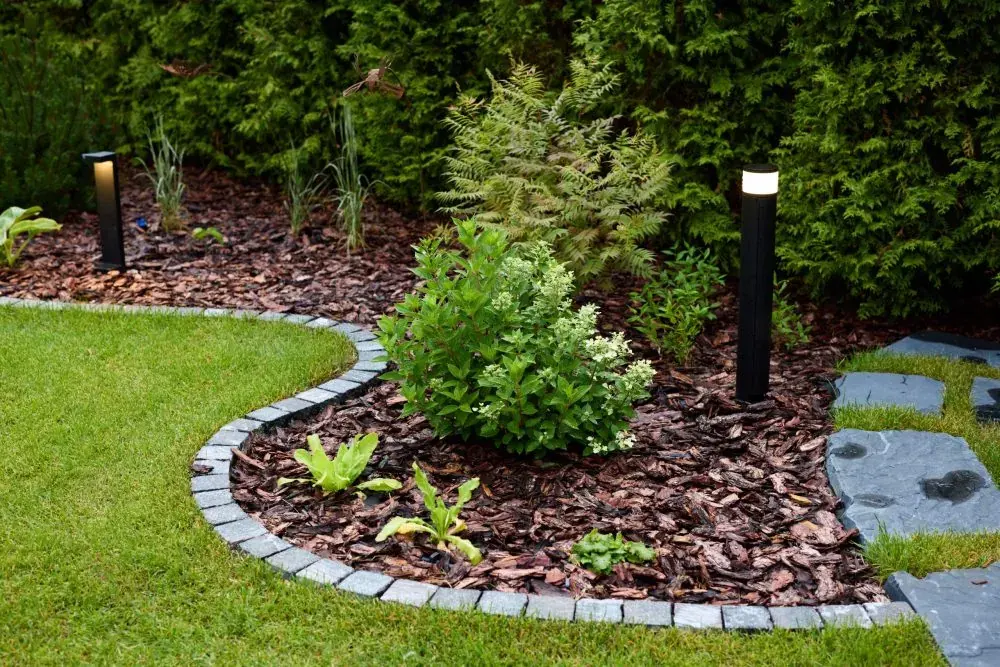
Mulch is also a design element. A dark bark mulch can make green foliage pop, while a lighter mulch adds a rustic, woodland charm. Whether you want a manicured look or something more natural, mulch and bark can define pathways, beds, and borders beautifully.
Combining Mulch with Other Water-Wise Strategies
For even better results, combine mulching with these smart summer practices:
- Drip irrigation: Delivers water directly to the base of plants, reducing evaporation.
- Soil testing: Ensure your soil retains moisture effectively and has proper nutrient levels.
- Mulch + Compost layering: Try layering compost first, then bark mulch for a one-two punch of nutrients and insulation.
G&L Bark Supply: Your Local Mulch Experts
We’ve been serving Spanaway and surrounding Pierce County communities for over 35 years, helping gardeners and landscapers select the right materials for their climate and soil type. Whether you’re mulching a backyard bed or an entire commercial property, we have bulk and bagged options available.
Our Most Popular Summer Mulch & Bark:
- Dark Fine Bark
- Medium Bark Nuggets
- Organic Compost Mulch
- Certified Play Chips
All products are available for pick-up or delivery.
Summer can be tough on plants, but with the right mulch and bark, you give your garden a huge advantage. Moisture retention, weed suppression, soil improvement, and temperature control in one affordable step.
Ready to get mulching? Stop by our Spanaway location to see mulch and bark samples in person or call us for expert guidance and fast, friendly delivery options. Let G&L Bark Supply help you make the most of your summer landscape!