
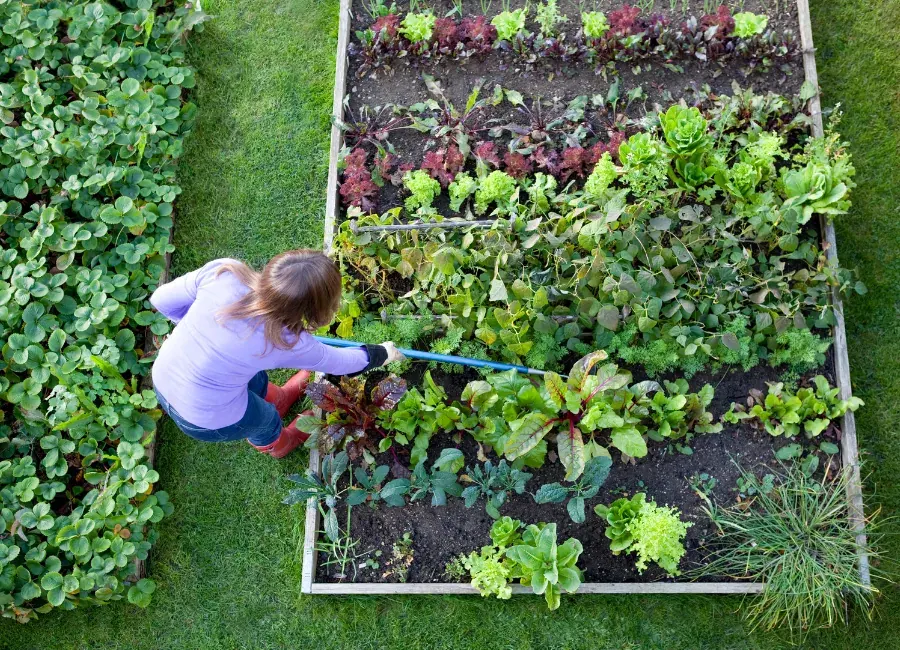
As winter fades and spring approaches, it’s time to start planning your garden. Whether you’re growing vegetables, flowers, or houseplants, understanding Washington’s unique climate and planting schedule is key to a thriving garden. With its diverse geography, including coastal, inland, and mountainous regions, Washington offers different growing conditions that require careful planning. This guide will walk you through starting your Washington garden, caring for indoor plants, and using a planting calendar for optimal results.
Table of Contents
Getting Started: Planning Your Garden
Before you plant anything, consider these essential steps:
- Choose the right location: Ensure your garden gets at least 6–8 hours of sunlight daily. Certain plants, like tomatoes and peppers, require full sun, while leafy greens can tolerate some shade.
- Test your soil: Check pH levels and nutrient content to determine if amendments are needed. Many Washington gardens have acidic soil, so adding lime may be necessary for some crops.
- Select the right plants: Choose crops and flowers suited to Washington’s diverse climate. Hardy perennials and native plants often thrive with minimal maintenance.
- Prepare your garden beds: Remove weeds, aerate the soil, and add compost for healthy plant growth. Mulching can help retain moisture and suppress weeds, reducing garden maintenance later on.
Growing Indoor Plants: A Year-Round Green Space
Indoor plants thrive in all seasons and improve air quality while adding beauty to your home. They can also provide therapeutic benefits, reducing stress and boosting productivity. Here are some tips for successful indoor gardening:
- Choose easy-care plants: Spider plants, pothos, and snake plants are great for beginners. These plants require minimal attention and thrive in a variety of conditions.
- Ensure proper lighting: Place plants near windows with indirect sunlight or use grow lights. Low-light plants, such as ZZ plants and peace lilies, are perfect for dimly lit spaces.
- Water appropriately: Overwatering is a common mistake; ensure soil dries out slightly between waterings. Consider using a moisture meter to gauge when plants need watering.
- Fertilize regularly: Use a balanced fertilizer every few weeks to encourage healthy growth. For flowering plants, a bloom-boosting fertilizer high in phosphorus is recommended.
- Repot when necessary: As plants grow, they may outgrow their containers. Repot every 1–2 years to prevent root-bound issues and ensure continued health.
Washington State Planting Calendar
Timing is crucial when starting a garden. Here’s a general planting guide for Washington State based on its varied climate zones. For a more in-depth guide visit the Farmer’s Almanac:
Late Winter to Early Spring (February – March):
- Start indoors: Tomatoes, peppers, eggplants, and onions. Starting seeds indoors allows for earlier harvests once the weather warms.
- Direct sow outdoors: Peas, spinach, lettuce, carrots, radishes, and kale. These cool-season crops can tolerate light frosts and germinate in cold soil.
- Prune fruit trees: This is the ideal time to shape trees, remove dead wood, and encourage productive growth.
Mid to Late Spring (April – May):
- Start indoors: Cucumbers, squash, and melons. These heat-loving plants benefit from an indoor head start before transplanting.
- Transplant outdoors: Broccoli, cabbage, and tomatoes after the last frost. Hardening off seedlings by gradually exposing them to outdoor conditions helps prevent transplant shock.
- Direct sow outdoors: Beans, corn, beets, and potatoes. Warmer soil temperatures allow for successful germination.
- Set up irrigation systems: Installing soaker hoses or drip irrigation will make summer watering more efficient and reduce water waste.
Summer (June – August):
- Succession planting: Lettuce, spinach, and radishes for continuous harvest. Staggering plantings every few weeks ensures a steady supply.
- Plant heat-loving crops: Basil, peppers, and tomatoes thrive in the warmth. Regular watering and mulching help retain soil moisture.
- Harvest frequently: Picking vegetables like zucchini and beans regularly encourages further production.
- Monitor for pests: Common summer pests in Washington include aphids and cabbage worms. Use organic methods such as companion planting and neem oil for control.
Fall (September – October):
- Plant cool-season crops: Garlic, kale, and winter greens. These crops can be planted in early fall and harvested into winter.
- Mulch garden beds: Protect plants from frost and enrich soil for the next season. Applying a thick layer of straw or compost helps insulate roots and prevent erosion.
- Collect seeds: Save seeds from heirloom plants to use in next year’s garden.
- Prepare perennials for winter: Trim back spent flowers and apply mulch to insulate roots from freezing temperatures.
Final Thoughts
Gardening in Washington State requires planning and timing, but the rewards are well worth it. By understanding your region’s climate, choosing the right plants, and following a structured planting schedule, you can enjoy a lush, productive garden year-round. Whether you’re growing vegetables, tending to indoor plants, or cultivating a vibrant flower garden, taking the time to plan now will lead to a successful and enjoyable gardening experience.
For all your gardening and landscaping needs, visit G & L Bark Supply. Whether you need high-quality soil, mulch, or decorative rocks, G & L Bark Supply has everything to help your Washington garden thrive. Stop by today and get your garden ready for the season!