
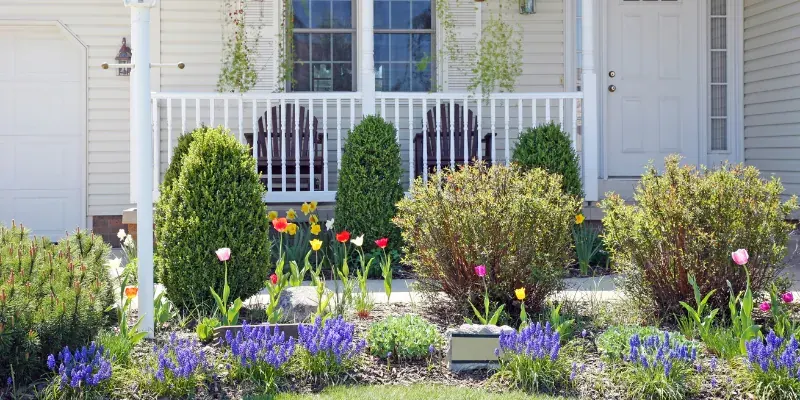
As winter loosens its grip on Washington State, it’s time to start preparing your spring landscape for vibrant growth. Late winter and early spring around February and March are the perfect months to lay the groundwork for a thriving yard, ensuring your plants, lawn, and garden beds wake up healthy and strong. Here’s a step-by-step guide to transitioning your landscape from winter to spring.
Table of Contents
Prep Your Spring Landscape
1. Assess Winter Damage
Before making any changes, take a walk around your property to inspect trees, shrubs, and garden beds. Look for:
- Broken or dead branches caused by winter storms.
- Signs of disease, such as fungus or discoloration.
- Drainage issues that may have resulted from heavy rains.
Trim any damaged branches and make note of areas that may need extra care in the coming months.
2. Prune Trees and Shrubs
February & March is an excellent time to prune deciduous trees and shrubs before new growth begins. Proper pruning:
- Encourages healthy growth.
- Improves air circulation to prevent disease.
- Shapes plants for a more attractive landscape.
However, avoid pruning spring-flowering plants like rhododendrons and azaleas until after they bloom to prevent cutting off buds.
3. Clean Up Garden Beds
Once the snow and frost have receded, clear away fallen leaves, dead foliage, and any lingering debris from garden beds. This helps:
- Reduce the risk of pests and diseases.
- Make way for new growth.
- Improve soil aeration and moisture absorption.
Adding a fresh layer of mulch after cleanup will help retain moisture and suppress early weeds, contributing to a well-maintained spring landscape.
4. Prepare the Soil
Healthy soil is the foundation of a lush landscape. As the ground begins to thaw, take these steps:
- Test your soil: Check pH levels and nutrient content to determine if amendments are needed.
- Aerate compacted soil: Loosen up garden beds and lawn areas to improve water and oxygen flow.
- Add compost or organic matter: This enriches the soil with essential nutrients for spring growth.
5. Lawn Care: Get a Head Start
Your lawn will start growing again soon, so early preparation is key:
- Remove winter debris: Rake away dead grass and fallen leaves.
- Overseed bare patches: If your lawn has thinning spots, now is a good time to reseed.
- Fertilize wisely: A slow-release, organic fertilizer will provide necessary nutrients without promoting premature growth.
6. Plan for New Plantings
If you’re considering adding new plants, February & March is the perfect time to plan. Research which perennials, shrubs, and trees thrive in Washington’s climate and prepare your spring landscape garden beds accordingly. Cool-season vegetables like lettuce, spinach, and peas can also be started in late winter.
7. Check Irrigation and Drainage
With spring rains on the way, make sure your drainage systems are working properly. Clean out gutters, downspouts, and any French drains to prevent water from pooling in unwanted areas. If you use an irrigation system, inspect it for leaks and ensure it’s ready for the growing season.
8. Refresh Hardscape Features
While plants are still dormant, it’s a great time to tackle non-plant aspects of your landscape, such as:
- Cleaning and repairing walkways, patios, and retaining walls.
- Refinishing wooden fences or decks.
- Adding new landscape lighting for safety and ambiance.
9. Start Pest Prevention Early
Preventative measures now can save you from infestations later. Consider:
- Applying dormant oil spray to trees and shrubs to prevent overwintering pests.
- Installing barriers or natural repellents to deter early garden invaders.
- Encouraging beneficial insects and birds to keep pests under control naturally.
10. Set Your Landscaping Goals
As you prepare for the season ahead, take time to envision your ideal spring landscape. Whether you want to introduce more native plants, create a pollinator-friendly garden, or install new hardscaping, making a plan now will set you up for success.
By taking these steps in late winter and early spring, you’ll ensure your landscape transitions smoothly from winter dormancy to spring vitality. A little preparation now will result in a healthier, more vibrant yard when the warmer days arrive!